Rescuing Pakistani Hindus
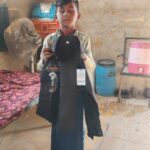
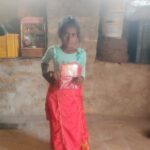
We fund the entire legal escape process for persecuted Hindus in Pakistan—passports, visas, travel, and every mandatory cost that stands between them and safety. This is not paperwork on paper; it is extraction from danger.
So far, through this effort, we have helped rescue and relocate 9,300 Hindu families. Each case requires coordination across borders, documents secured under pressure, and constant follow-up until the family reaches safety.
This work is made possible by our on-ground network of over 500 Hindus in Sindh, who operate at great personal risk. They identify threatened families, coordinate documentation, arrange safe movement, and remain in constant contact with us until the last member is out. This is a sustained, organised rescue operation—run by Hindus, for Hindus—focused on survival, dignity, and a future free from fear.
We fund passports, visa, travel for persecuted Hindus of Pakistan. Till now, 9300 Families have been rescued by us through this effort. Our on-ground team of 500 hindus in Sindh help us with coordination. 30% of these rescued Hindus were kidnapped/sexually assaulted in Pakistan by Islamists.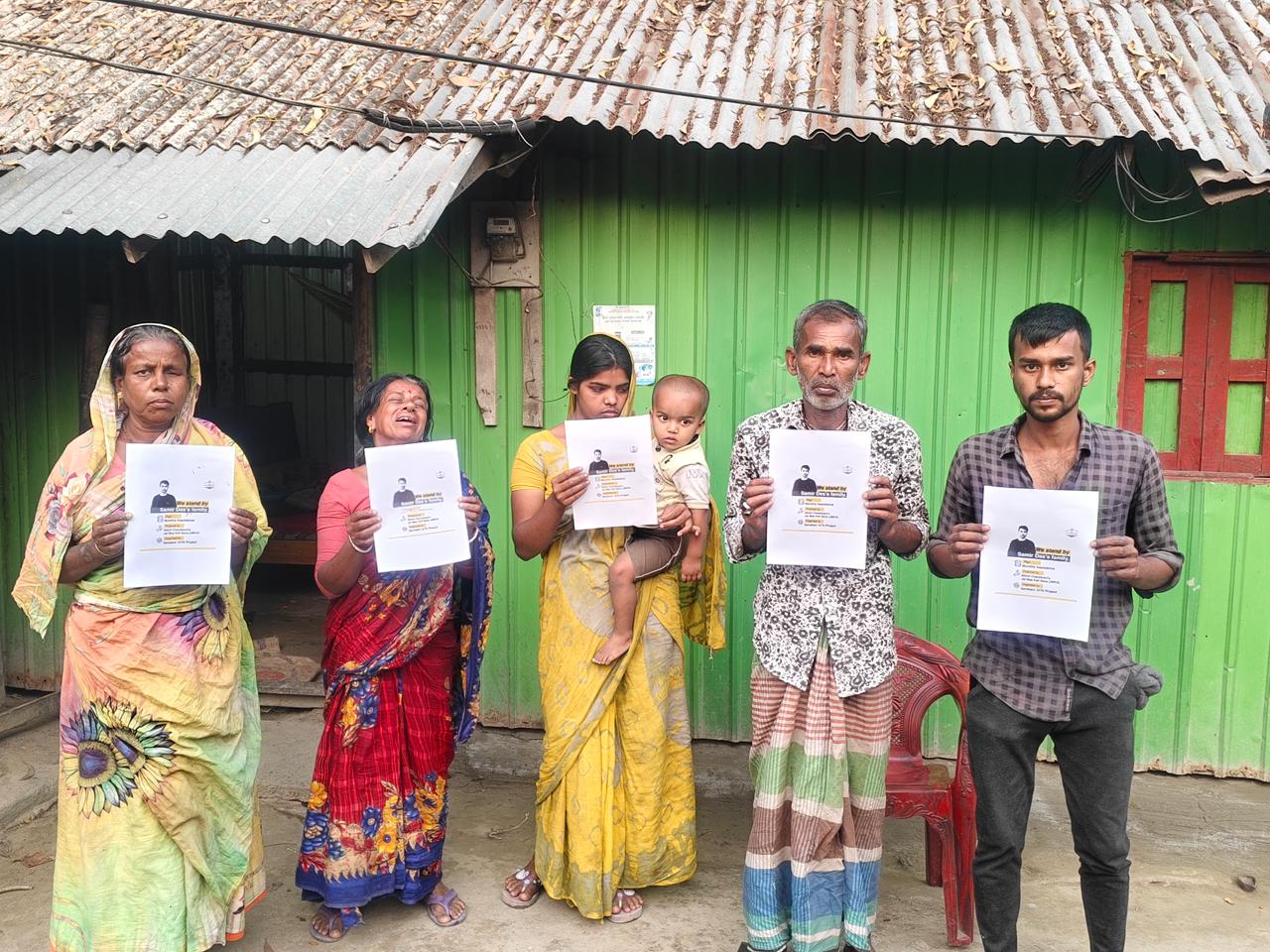
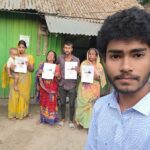
Financial Support to Hindus of Bangladesh who lost everything
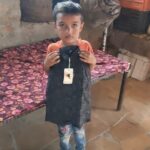
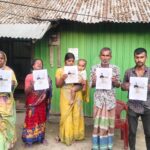
We provide complete, end-to-end financial support to Hindu families who have lost their husbands and fathers to Islamist violence. Families such as Dipu Das and Samir Das are not treated as statistics or one-time cases—they are taken under long-term care and protection. Our work begins where headlines end. We ensure monthly financial support for daily survival, food security, healthcare, housing stability, and emergency needs. More importantly, we take full responsibility for the education of their children—school fees, books, uniforms, tuition, and long-term academic support—so trauma does not decide their future. These families have already paid the highest price. Our commitment is to ensure that their children do not grow up abandoned, vulnerable, or forced to drop out of education due to poverty or fear. This is not short-term charity. It is sustained rehabilitation, dignity, and rebuilding lives that were deliberately broken.
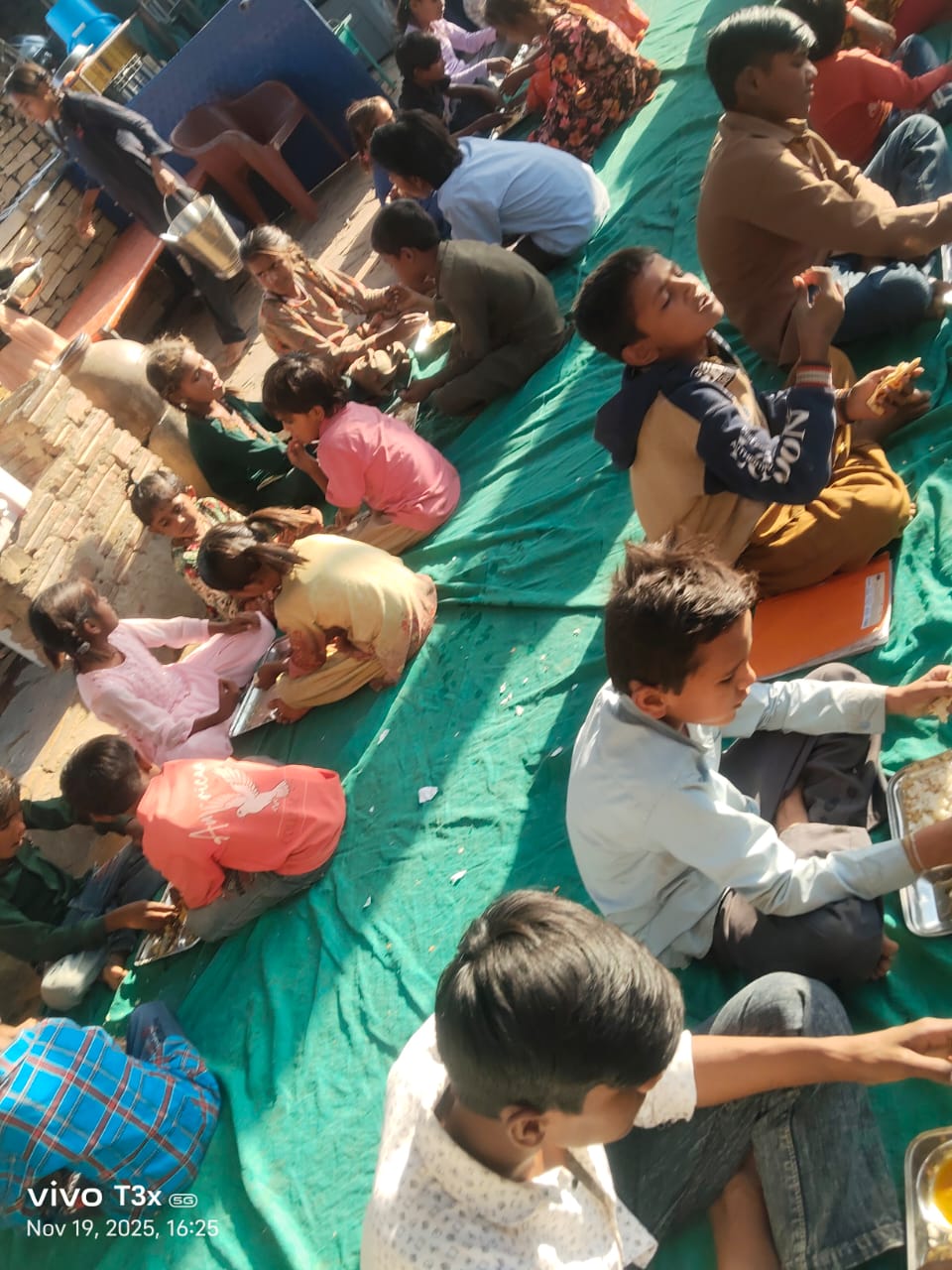
Free food for our rescued Pakistani Hindu Orphans
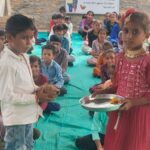
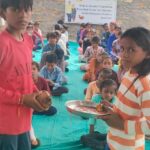
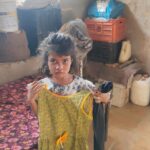
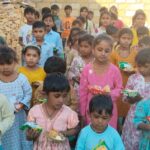
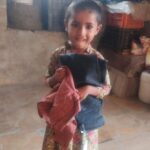
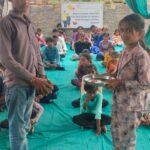
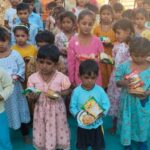
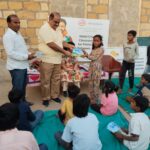
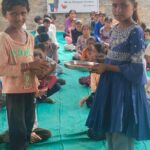
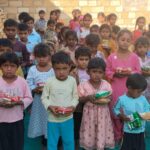
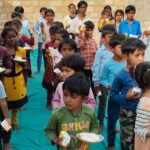
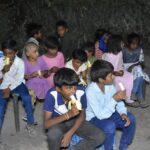
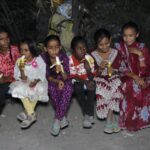
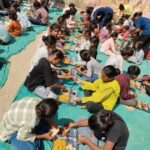
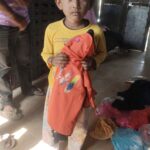
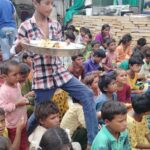
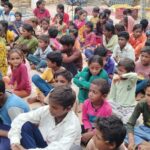
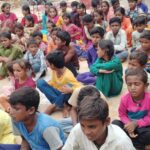
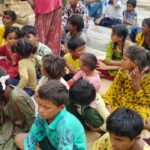
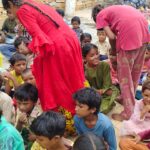
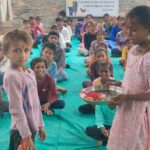
We provide free, fresh, and hygienic meals twice a day to **2,000 rescued Pakistani Hindu orphans** who are currently settled in **Jaisalmer**. This is a daily, uninterrupted effort that ensures no child sleeps hungry or depends on uncertainty for their next meal. For children who have already lost their homes, families, and sense of safety, food is not charity—it is survival, stability, and dignity. Our kitchens operate with strict hygiene standards and consistency, because for these children, this is not relief work; it is their everyday life.
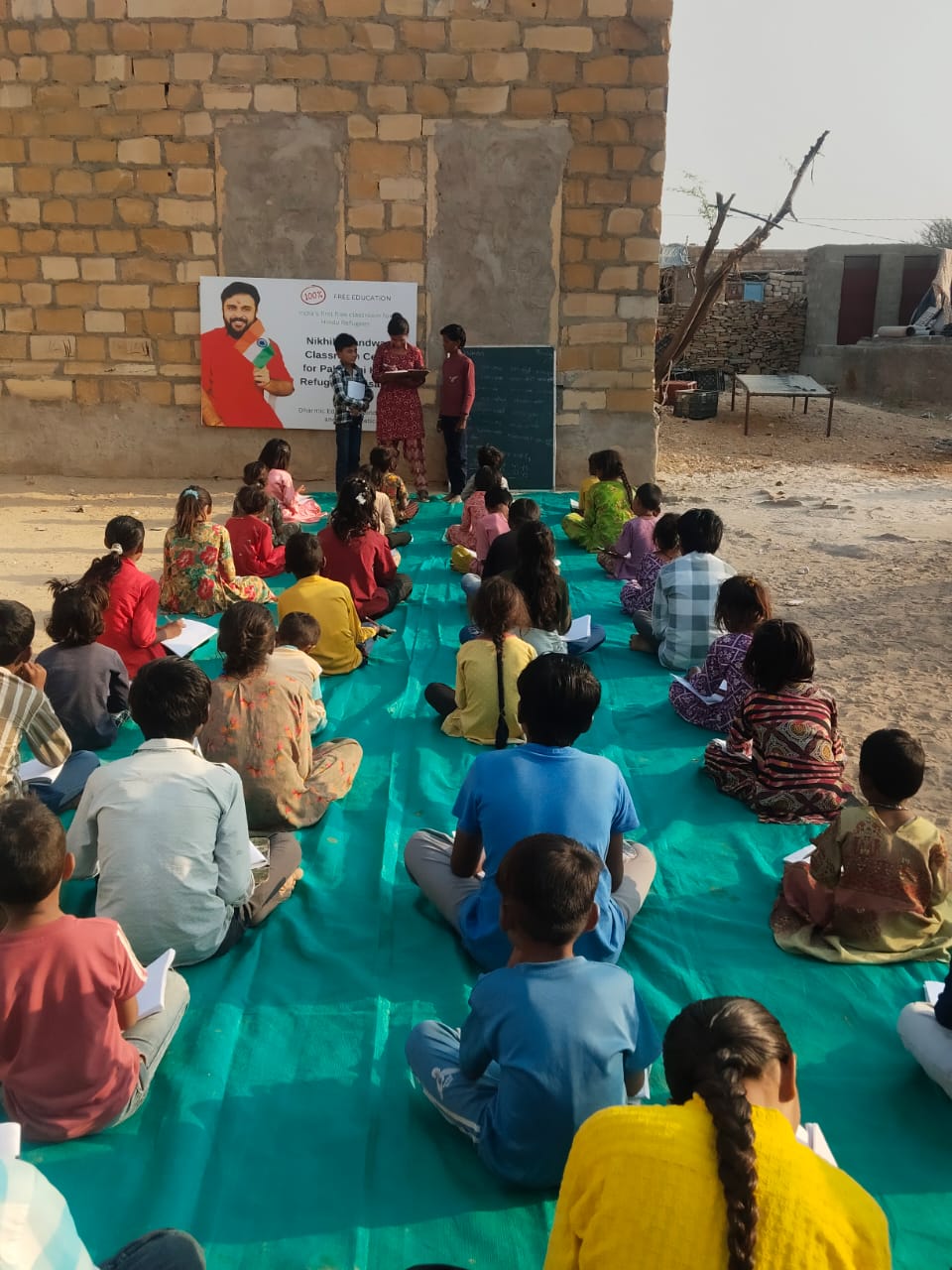
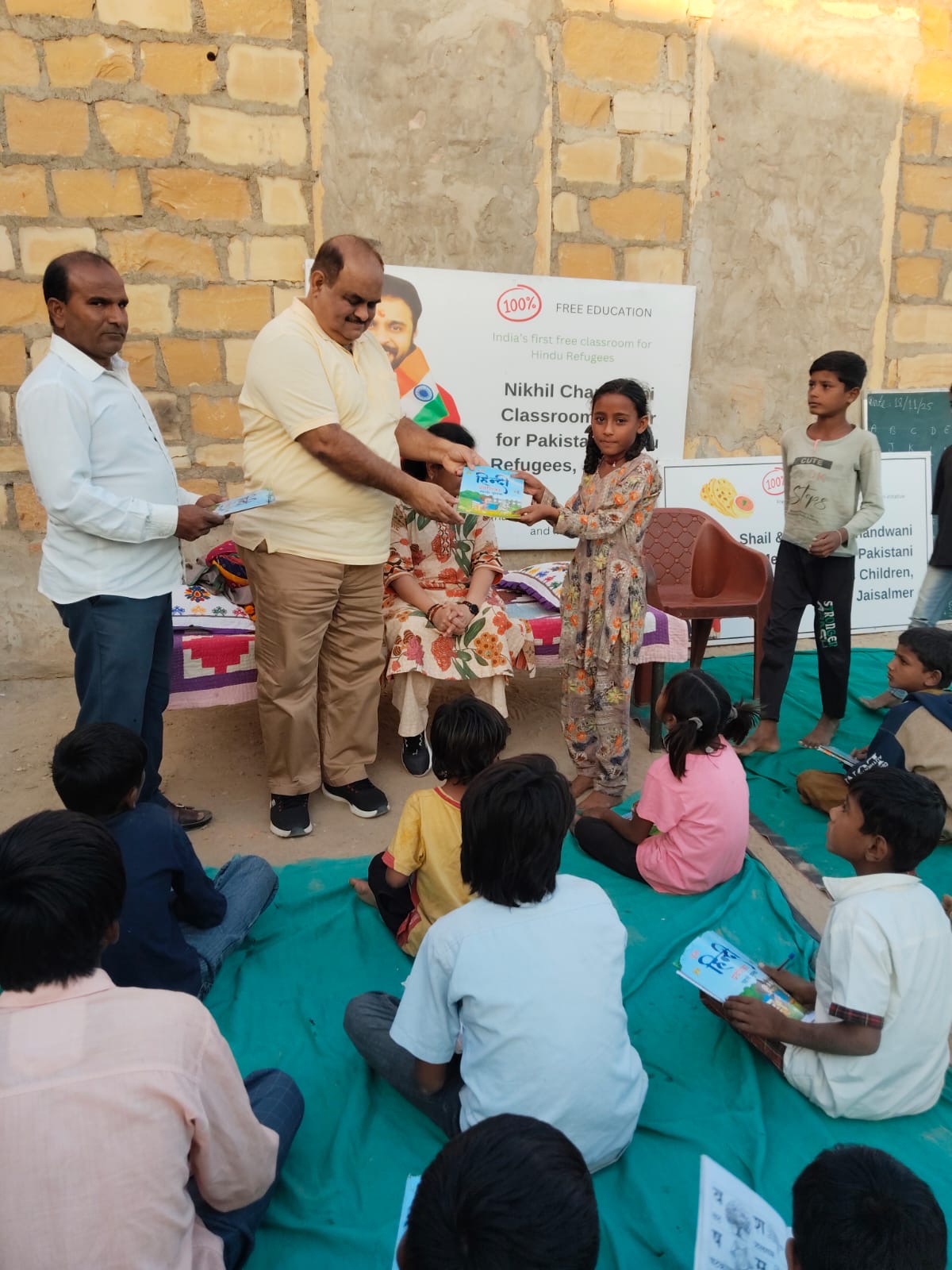
Free Education for our rescued Pakistani Hindu Orphans
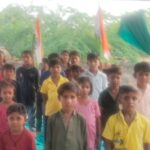
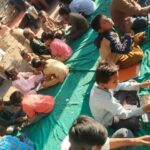
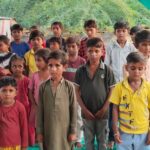
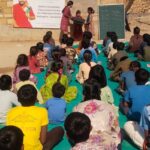
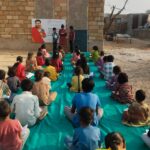
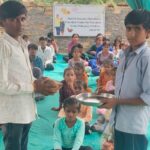
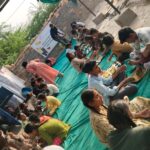
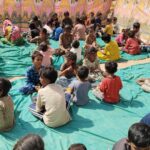
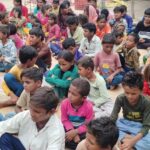
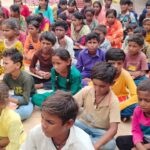
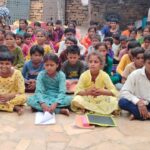
We have a team of 10 educated teachers who provide structured, daily education to 2,000 rescued Hindus living at our refugee camp in Jaisalmer. These teachers ensure regular schooling, basic literacy, and academic continuity for children who were forced out of formal education due to persecution and displacement. Education here is not symbolic—it is organised, consistent, and focused on rebuilding confidence, discipline, and future opportunity for children who have already lost too much.
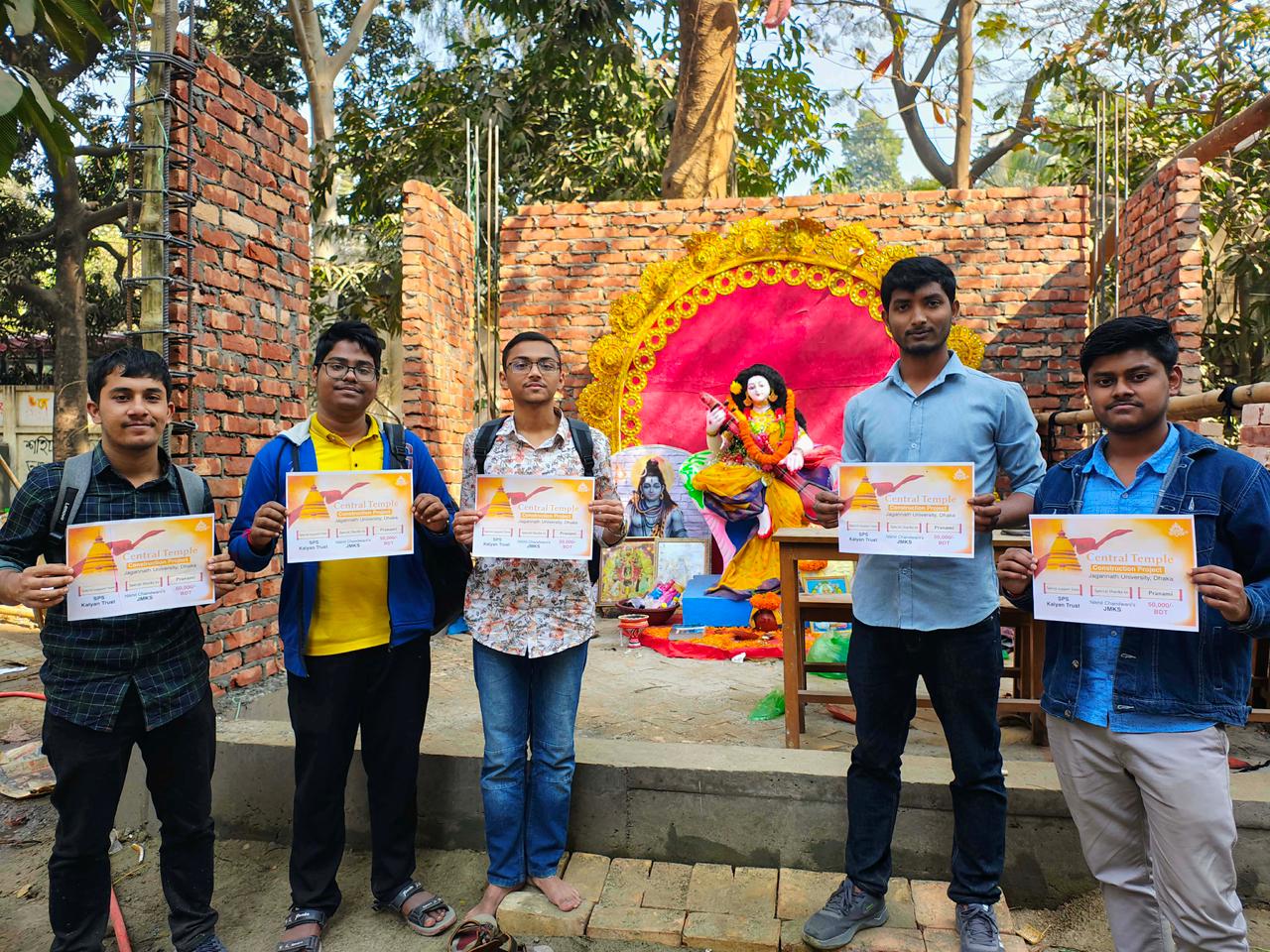
Temple Construction and Ration Distribution for Bangladeshi Hindus
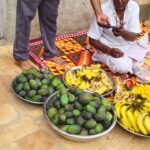
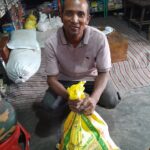
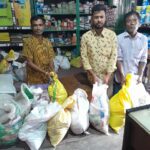
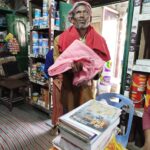
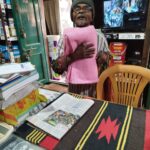
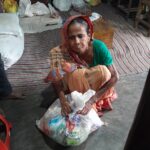
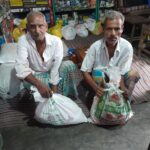
We are constructing a Hindu Temple via on on ground team of brave Hindus for Tripuri Tribals on Chattogram Hill Track, Khargrachhari, Bangladesh. With this, we are also distributing food and ration to persecuted Bangladeshi Hindus who lost their bread-earner during the current genocide.
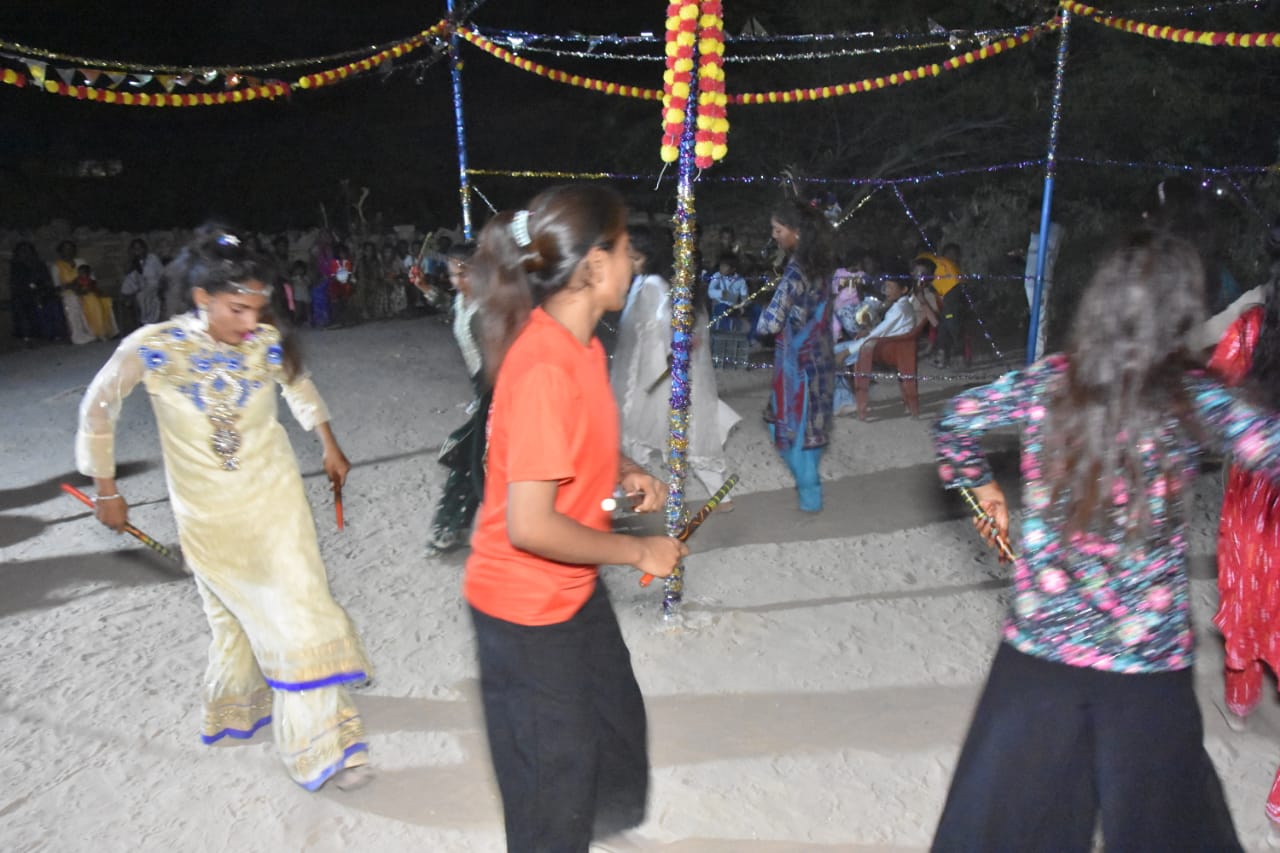
Festival Celebration - Pakistani Hindus
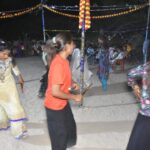
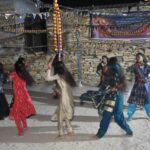
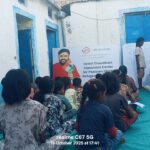
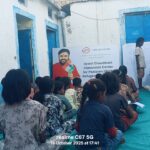
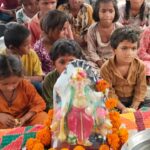
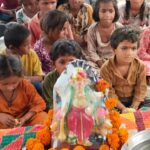
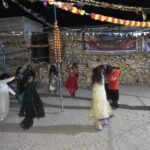
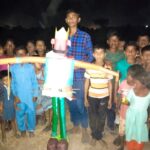
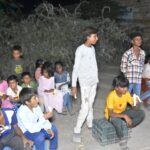
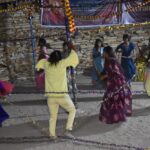
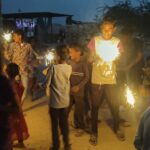
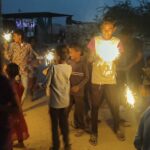
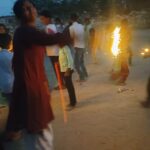
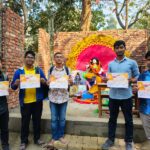
Every month, all major Hindu festivals are celebrated at our refugee camp—from Ganesh Chaturthi and Navratri to Diwali and Ram Navami, along with Indian Independence Day and other national occasions. These celebrations are not occasional events but a regular part of life at the camp. For displaced families and children who were forced to abandon their faith and traditions, these gatherings restore identity, confidence, and a sense of belonging. The camp is not just a shelter—it is a living community where culture, faith, and dignity are actively preserved and passed on to the next generation.
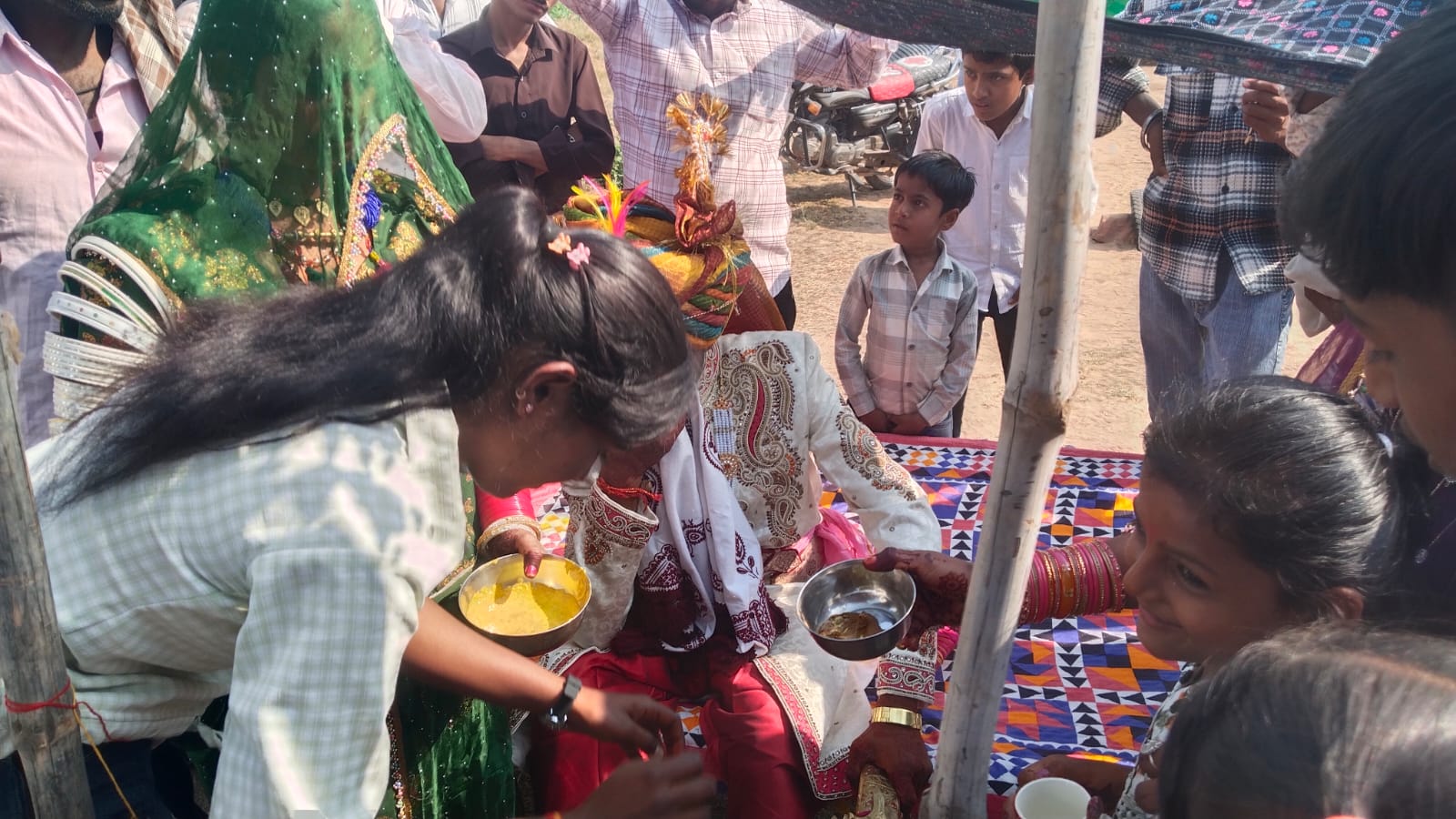
Sponsoring Marriages for Rescued Pakistani Hindu Girls
Alongside education and daily care, we also take responsibility for sponsoring marriages for Pakistani Hindu families who have been displaced and left without social or financial support. For families that lost earning members and community networks, even basic marriage expenses become impossible. We fund essential marriage costs with dignity—ensuring rituals are performed according to Hindu traditions, without debt, exploitation, or compromise. This support helps families rebuild normal life milestones that persecution tried to erase, restoring stability, social security, and continuity for future generations.
Financial Support to Displaced Hindu Widows
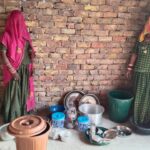
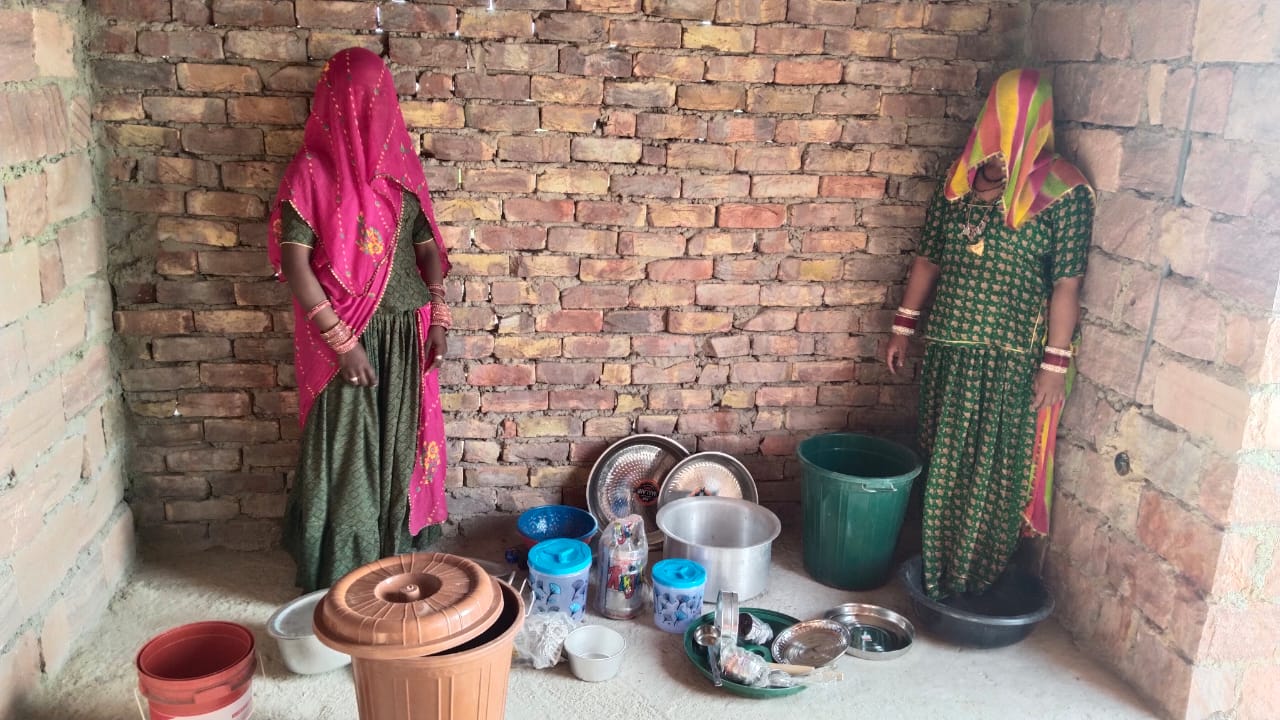
Hindu women who lost their husbands in Pakistan and Bangladesh to Islamist attacks receive sustained financial support for themselves and their children. This support is designed to replace the stability that was violently taken away—covering monthly household needs, food, healthcare, housing support, and essential living expenses. For their children, we ensure uninterrupted education by funding school fees, books, uniforms, and related costs, so loss does not turn into lifelong disadvantage. The objective is long-term security, not temporary relief—protecting widows from poverty, coercion, or exploitation, and giving their children a real chance at a safe, dignified future.